September 25, 2026
Plumbing problems rarely become serious without giving homeowners some kind of warning. A dripping faucet, slow drain, unusual sound, or change in water pressure can signal that something inside the system needs attention. While some issues may seem minor at first, delaying service can allow them to develop into leaks, water damage, or more expensive repairs. Knowing what to watch for can help homeowners respond before a plumbing problem disrupts daily life. Early attention is especially important for issues involving hidden pipes because damage may continue behind walls or beneath floors without being immediately visible. According to HomeGuide, installing a water pressure regulator takes around three hours and helps protect pipes from cracks and leaks caused by excessive pressure. Understanding these warning signs can help homeowners decide when professional assistance is needed. With prompt action, many plumbing concerns can be addressed before they become major household emergencies.
Noticing Persistent Water Leaks
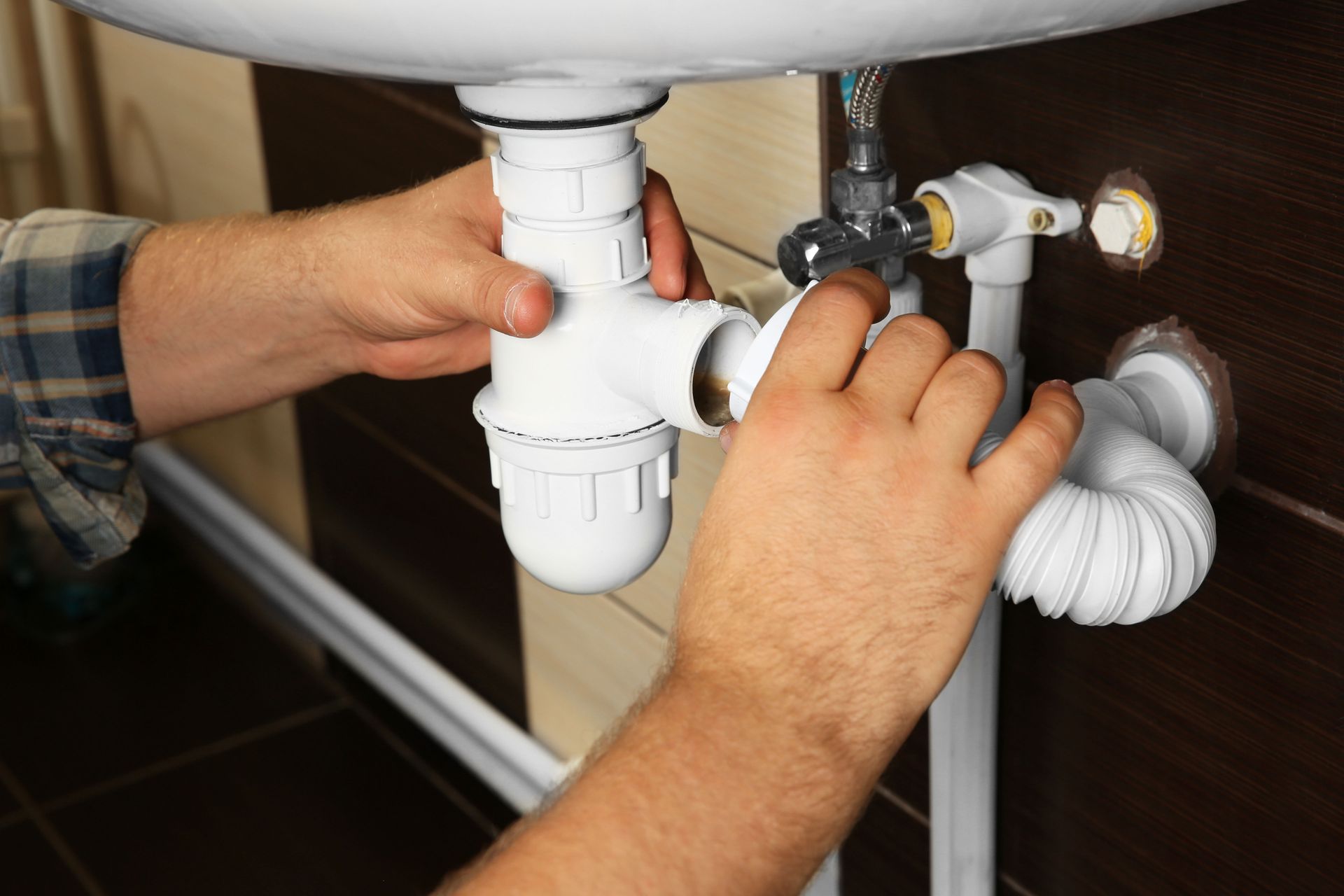
A dripping faucet may appear to be a minor inconvenience, but persistent leaks can waste water and indicate worn plumbing components. Leaks underneath sinks are another common concern because water can gradually damage cabinets, flooring, and nearby materials. Homeowners should also inspect exposed supply lines for moisture, corrosion, or small pools of water. Plumbing repair may be necessary when tightening a connection or replacing a worn washer does not resolve the leak. Hidden leaks can be more difficult to recognize because water may travel behind walls before becoming visible. Damp spots, peeling paint, musty odors, and unexplained increases in water usage can provide important clues. Addressing leaks quickly can reduce the chance of structural damage and mold-related concerns. Professional inspection can also determine whether the visible leak is part of a larger plumbing problem.
Experiencing Low Water Pressure
A sudden decrease in water pressure can make ordinary household tasks frustrating. Showers may lose their usual flow, faucets may produce only a weak stream, and appliances may take longer to fill. Mineral buildup inside fixtures can sometimes cause low pressure in one location. When pressure drops throughout the home, however, the cause may involve the main supply line, plumbing valves, or another system-wide issue. Plumbing repair can help identify whether the problem comes from a damaged pipe, pressure regulator, valve, or another component. Homeowners should also pay attention to whether the pressure changes at different times of day. A gradual decline may indicate buildup or aging infrastructure, while a sudden change could signal a more immediate concern. Having the system evaluated can help restore appropriate water flow and prevent additional problems.
Hearing Unusual Plumbing Sounds
Plumbing systems naturally produce some noise when water moves through pipes. Loud banging, rattling, whistling, or knocking sounds should receive closer attention when they are new or becoming more frequent. Water hammer can occur when flowing water stops suddenly and creates pressure against the pipes. Loose pipes may also move inside walls or ceilings as water passes through them. Plumbing repair can address loose connections, worn valves, pressure problems, or other sources of unusual sounds. Persistent noises may become especially noticeable when toilets are flushed, faucets are closed, or appliances begin their cycles. Ignoring these sounds may allow an underlying issue to continue developing. A professional can determine whether the noise is harmless or requires corrective service.
Dealing With Slow-Moving Drains
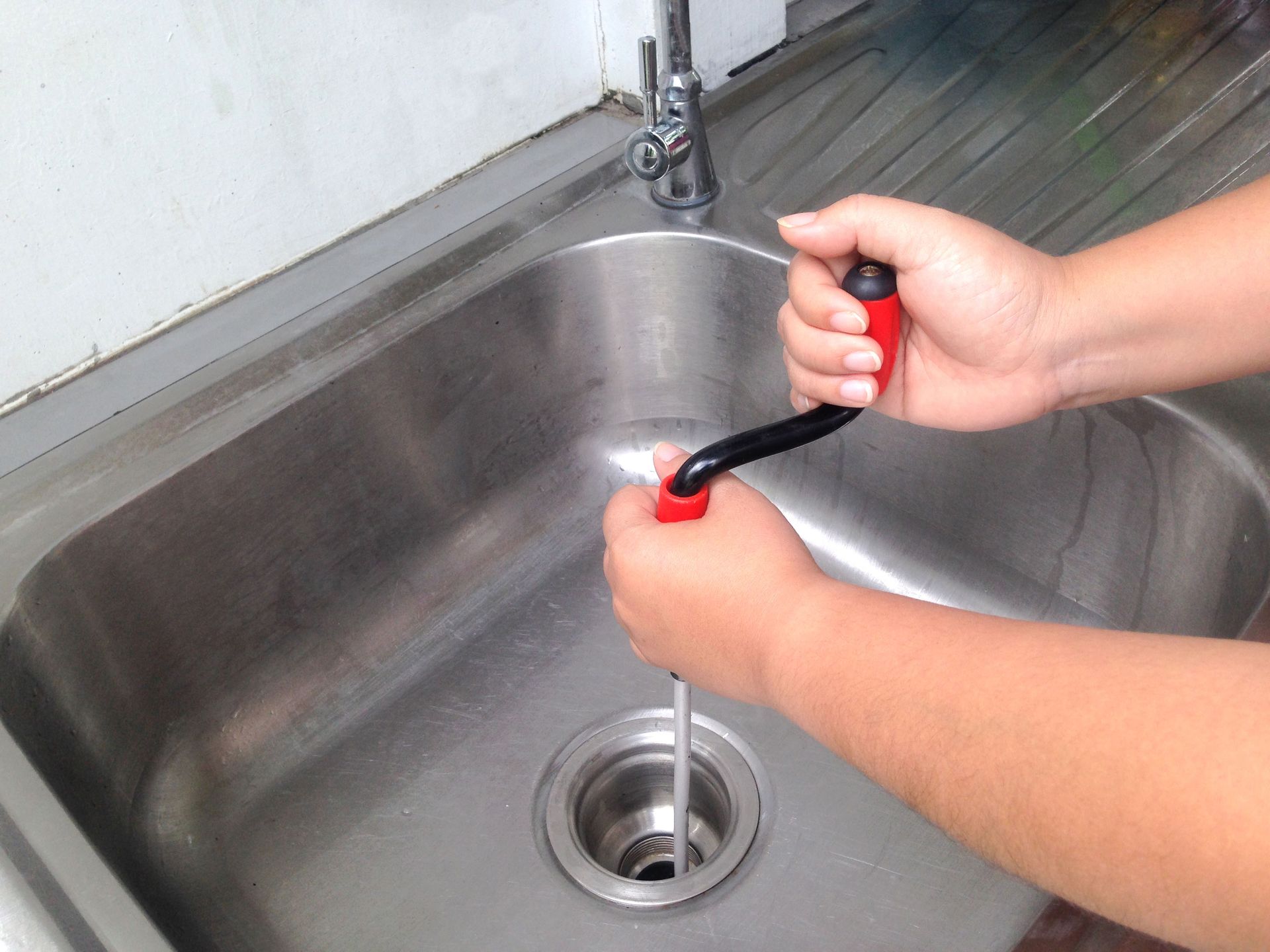
A drain that empties slowly often indicates that debris is accumulating somewhere inside the plumbing line. Hair, soap residue, food particles, grease, and mineral deposits can gradually restrict water flow. Using a plunger may provide temporary relief, but recurring slow drainage suggests that the underlying obstruction may still be present. Plumbing repair can help when the blockage is deeper or when repeated clogs point to a larger drainage problem. Homeowners should avoid relying heavily on chemical drain cleaners because some products can damage certain plumbing materials. Multiple slow drains at the same time may indicate that the problem extends beyond one individual fixture. Water backing up into a sink, tub, or shower is an especially important warning sign. Professional drain service can identify the location of the obstruction and determine the appropriate way to clear it.
Finding Discolored or Unusual Water
Changes in water color can indicate a problem that deserves professional attention. Brown, yellow, or rusty-looking water may result from sediment or corrosion inside older plumbing components. If the discoloration appears only briefly after a water interruption, the cause may be temporary. Persistent changes, however, should not be ignored. Plumbing repair may be needed if aging pipes or corroded fixtures are affecting water quality or flow. Homeowners should also note whether hot water, cold water, or both are affected. If only hot water appears discolored, the water heater or its connected components may require inspection. Identifying the source can help determine whether a fixture, water heater, supply line, or another part of the system needs service.
Seeing Water Stains or Damp Areas
Water stains on ceilings, walls, or floors can indicate that moisture is reaching areas where it should not be. A small stain may represent a slow leak that has been developing behind the surface for some time. Paint may bubble, drywall may soften, and flooring can begin to warp when moisture remains present. Plumbing repair can help locate and correct the source before the affected materials sustain additional damage. Homeowners should not assume that the location of a stain is necessarily where the leak originated. Water can travel along framing, pipes, and other surfaces before becoming visible. Musty smells near a water stain may provide another indication that moisture is present. Prompt investigation can help limit the extent of damage and reduce the need for extensive restoration work.
Struggling With Frequent Toilet Problems
Toilets that clog repeatedly may have more than a simple obstruction. Frequent backups can result from excessive waste, unsuitable materials being flushed, internal fixture problems, or deeper drainage restrictions. A toilet that runs continuously can also waste a substantial amount of water over time. Plumbing repair may be appropriate when plunging, adjusting the handle, or replacing a simple flapper does not resolve the problem. Gurgling sounds or water rising in the bowl can indicate a drainage issue beyond the toilet itself. Homeowners should also pay attention if multiple toilets experience problems around the same time. Repeated issues are worth investigating rather than treating as isolated inconveniences. Professional service can identify whether the toilet or a connected drain line is responsible.
Detecting Water Around the Water Heater
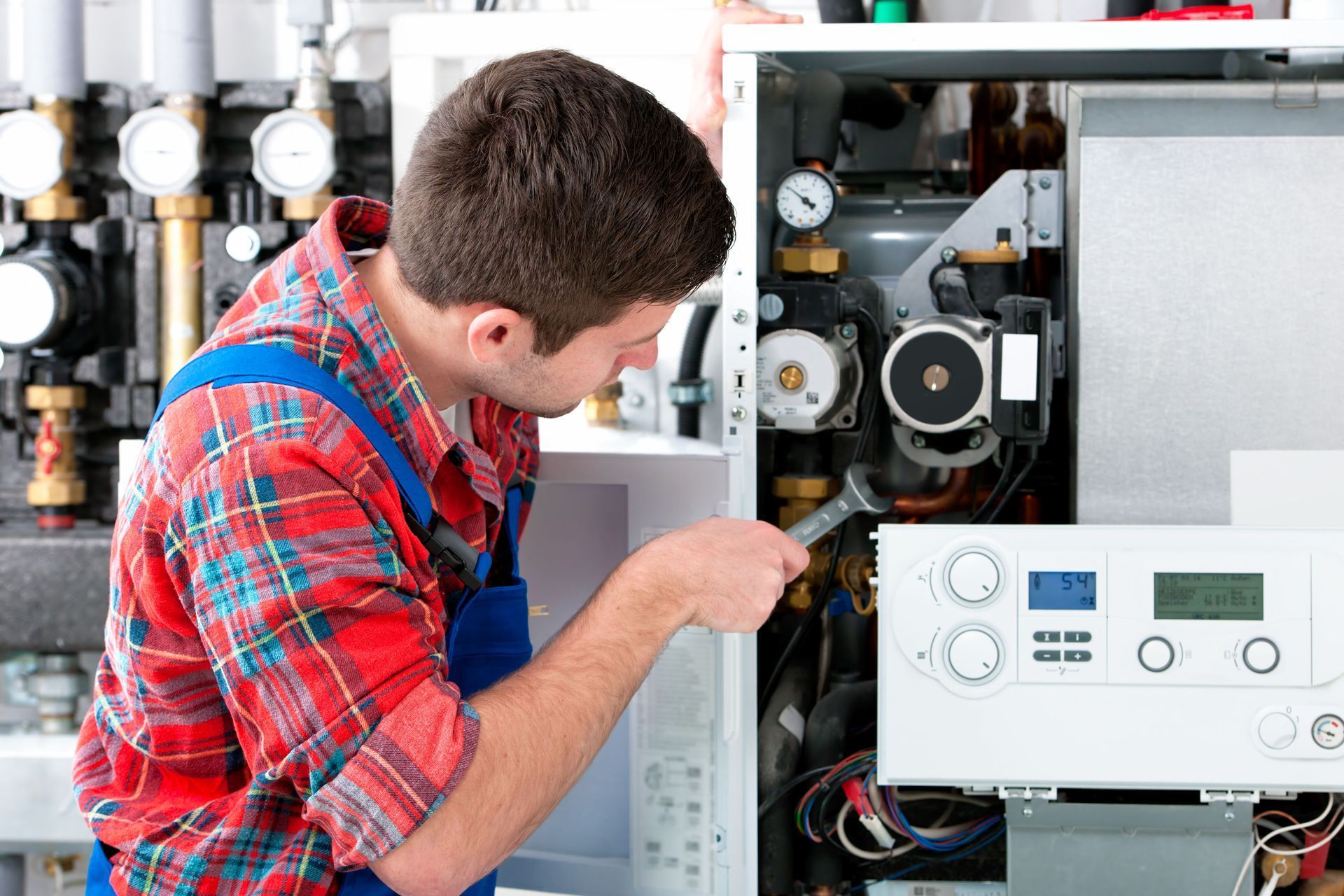
Water collecting around a water heater should never be dismissed as ordinary condensation without checking the source. Leaks can develop around connections, valves, the tank itself, or other components. A small amount of moisture may eventually become a much larger leak if the underlying problem continues. Plumbing repair can address connected pipes and fittings, while certain water heater issues may require specialized service or replacement. Homeowners should look for corrosion, pooling water, rust-colored marks, or moisture around the base of the unit. Unusual noises from the tank can also indicate sediment buildup or other concerns. Because water heaters combine plumbing and heating components, repairs should be handled carefully. Prompt evaluation can help prevent water damage and determine whether the equipment can be repaired or needs replacement.
Experiencing Unexpected Water Bills
An unexplained increase in water usage can sometimes reveal a plumbing problem that is not immediately visible. A running toilet, dripping faucet, hidden pipe leak, or malfunctioning fixture can allow water to escape continuously. Homeowners may not notice the issue until the monthly utility bill arrives. Plumbing repair can help identify leaks and other problems that contribute to unnecessary water consumption. Comparing current usage with previous bills can help reveal unusual patterns. If water consumption rises without a corresponding change in household habits, the plumbing system deserves closer attention. A professional may inspect visible fixtures and accessible pipes while looking for signs of concealed leaks. Finding the cause early can help prevent continued water waste and additional property damage.
Plumbing repair can range from replacing a worn component to correcting a leak or resolving a drainage restriction. The right approach depends on the location, severity, and underlying cause of the problem. Homeowners can reduce risks by addressing warning signs instead of allowing them to continue unchecked. Routine maintenance can also support the long-term performance of pipes, fixtures, and water-using appliances. Contact K.O. Plumbing & Heating today to schedule professional service and address plumbing concerns before they become more serious.