July 27, 2026
A blocked sewer pipeline can quickly transform from a minor inconvenience into a major household nightmare. Many homeowners struggle with a recurring clogged drain, watching the same bathroom sink or tub back up days after clearing it. Understanding why these blockages return is essential for long-term plumbing health, helping you prevent expensive emergency repairs down the road.
Persistent drainage issues often signal deeper systemic failures rather than simple, isolated obstructions near the surface. By exploring the true root causes of these ongoing household disruptions, you can implement better preventative maintenance strategies. From incorrect pipe configurations to environmental factors, multiple variables affect how smoothly your residential waste systems operate daily. Expert plumbing services not only know all these variables, but also how to operate around each one.
Evaluate Household Cleaning Methods
Over-the-counter chemical cleaners are frequently the first line of defense that people choose for a stubborn clogged drain. These liquid mixtures attempt to dissolve heavy debris through harsh reactions, but their results are inconsistent and temporary. Frequently relying on these chemical agents can degrade residential pipe materials, leading to structural weaknesses and more frequent blockages.
Many environmentally conscious people turn to natural homemade remedies like baking soda and vinegar for safer cleaning alternatives. While these eco-friendly mixtures successfully avoid damaging delicate plumbing lines, their clearing power is usually restricted to minor issues. They offer short-term relief but rarely reach the deeper, more complex structural blockages lodged further down the system.
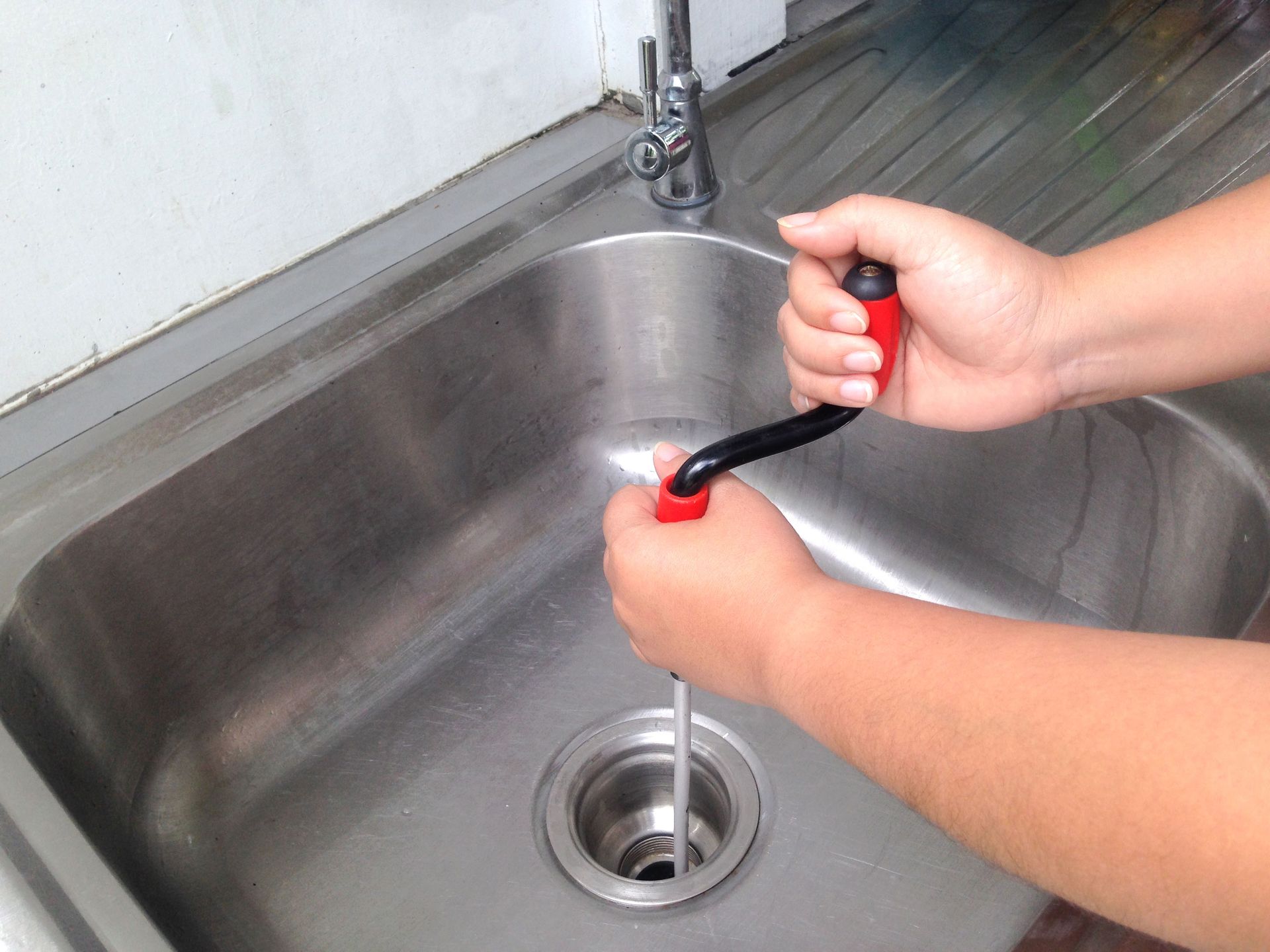
Professional plumbing intervention provides a much more reliable and durable answer to these persistent wastewater disruptions. According to HomeGuide, a professional plumber typically spends only 5 minutes snaking out pipeline blockages located close to a tub, toilet, or sink. Professional technicians utilize advanced tools like high-pressure hydro-jetting to clear lines completely while safely inspecting for underlying damage.
Fix Poor Plumbing Installations
Incorrect pipe angles during the initial home construction phase represent a major cause of frequent residential wastewater blockages. If the waste lines lack the proper downward slope, gravity cannot efficiently pull heavy debris and water away from the property. This insufficient inclination results in standing pools of water and rapid sediment accumulation along the line.
Choosing improper pipe sizes during system modifications also severely compromises the long-term functionality of your drainage network. Small lines bottleneck easily under normal daily usage, while oversized pipes reduce water velocity, preventing heavy waste from clearing out properly. A misconfigured network ensures a persistently clogged drain will continue tormenting your household until a professional corrects the design.
Poor joint sealing and inadequate system ventilation create additional pressure issues within the residential plumbing infrastructure. Defective seals allow rough edges to catch passing debris, while missing vents create suction forces that stop smooth water flow. Securing professional installation services ensures these crucial engineering specifications are correctly met from the very beginning.
Prevent Foreign Material Accumulation
Loose hair and personal hygiene products are notorious for creating a highly frustrating and persistent clogged drain in bathroom areas. Long strands knot together inside the pipe, trapping sticky soap remnants and congealing into a dense, solid mass over time. Installing simple mesh drain guards helps catch these problematic materials before they enter the waste lines.
Kitchen systems face unique operational challenges from cooking grease, fatty oils, and discarded organic food particles. When hot grease is poured down the kitchen sink, it rapidly cools and solidifies against the inner pipe walls. This sticky layer catches passing food crumbs, steadily narrowing the internal passage until water can no longer pass through.
Mineral deposits from local hard water easily combine with sticky soap scum to form highly resilient blockages over time. Flushing non-degradable household items like wet wipes or heavy paper towels also creates severe disruptions deep underground. Subterranean tree roots aggressively seek out this internal pipe moisture, cracking lines to block water flow entirely.
Mitigate Environmental Soil Impacts
Seasonal weather shifts exert significant physical stress on buried residential waste lines throughout the entire calendar year. Freezing winter temperatures can cause exposed pipes to contract or burst, while heavy spring downpours easily overwhelm outdoor systems. Keeping exterior drainage paths clear of organic debris helps protect your home property against these seasonal weather fluctuations.
Natural subterranean soil movement represents another hidden variable that damages underground structural alignments over extended periods. As the surrounding dirt shifts, expands, or contracts, it can displace buried pipes or cause severe structural fractures. These shifting ground conditions create internal lips and breaks where waste material easily accumulates during normal use.
High local water hardness accelerates internal mineral scale buildup, which narrows the available space for consistent water flow. Outdoor vegetation and sudden natural disasters can likewise introduce unexpected mud or heavy structural strain to the system. Addressing a recurring clogged drain often requires analyzing these broader environmental factors surrounding your home property.
Address Aging Plumbing Infrastructure
Internal pipe corrosion and rust naturally develop within older metallic piping networks over decades of continuous household use. This oxidation creates rough, jagged internal surfaces that act like Velcro, catching passing waste, lint, and hair. Over time, these corroded areas experience repeated blockages that standard clearing methods cannot easily or permanently resolve.
Aging residential pipes and joints naturally weaken, making them highly susceptible to frequent water leaks and structural cracks. These structural openings allow surrounding soil to enter the line while letting water escape, dropping internal pressure. As a result, a recurring clogged drain becomes inevitable as the structural integrity of the pipeline steadily degrades.
Deteriorating pipe linings increase internal fluid friction, while poorly executed past repairs can leave misaligned joints behind. Utilizing advanced restoration techniques like trenchless pipe relining can permanently fix these issues without extensive yard digging. Investing in infrastructure updates remains the most effective way to eliminate chronic drainage structural failures without hassle.
Change Daily Household Habits
Inappropriate waste disposal remains a primary behavioral cause behind a highly persistent clogged drain in modern residential homes. Treating household sinks and toilets like trash cans introduces heavy materials that plumbing systems were never engineered to manage. Educating everyone in the household about proper waste management is vital for protecting your pipes long-term.
Overloading the home system with excessive food waste or relying too heavily on garbage disposals causes major strain. Misusing quick-fix chemical cleaners instead of mechanical tools also creates long-term structural problems within the line. Transitioning to mindful usage habits preserves the internal pipes and ensures consistent, reliable wastewater flow throughout the home.
Neglecting early warning indicators like slow drainage or strange gurgling sounds allows small issues to escalate dramatically. Taking immediate action with a simple manual plunger can resolve minor issues before they become full plumbing emergencies. Consistent daily vigilance and minor behavioral adjustments will save homeowners significant amounts of time and money.
Resolving chronic plumbing blockages requires looking deep beyond the surface to identify the true underlying source of the trouble. Whether you are dealing with poor engineering installation, material buildup, or aging infrastructure, superficial fixes will only delay the inevitable return of the problem. A comprehensive strategy combining proper habits and regular maintenance ensures long-term system health.
Taking proactive steps today prevents highly disruptive plumbing emergencies tomorrow and keeps your wastewater lines flowing smoothly all year long. If you are tired of battling a stubborn clogged drain without success, let us solve your structural problems permanently by contacting K.O. Plumbing & Heating for our expert diagnostic care.Taking proactive steps today prevents highly disruptive plumbing emergencies tomorrow and keeps your wastewater lines flowing smoothly all year long. If you are tired of battling a stubborn clogged drain without success, let us solve your structural problems permanently by contacting K.O. Plumbing & Heating for our expert diagnostic care.